Resourcing & Relational Solution in low dose psychedelic somatic work (PSIP)
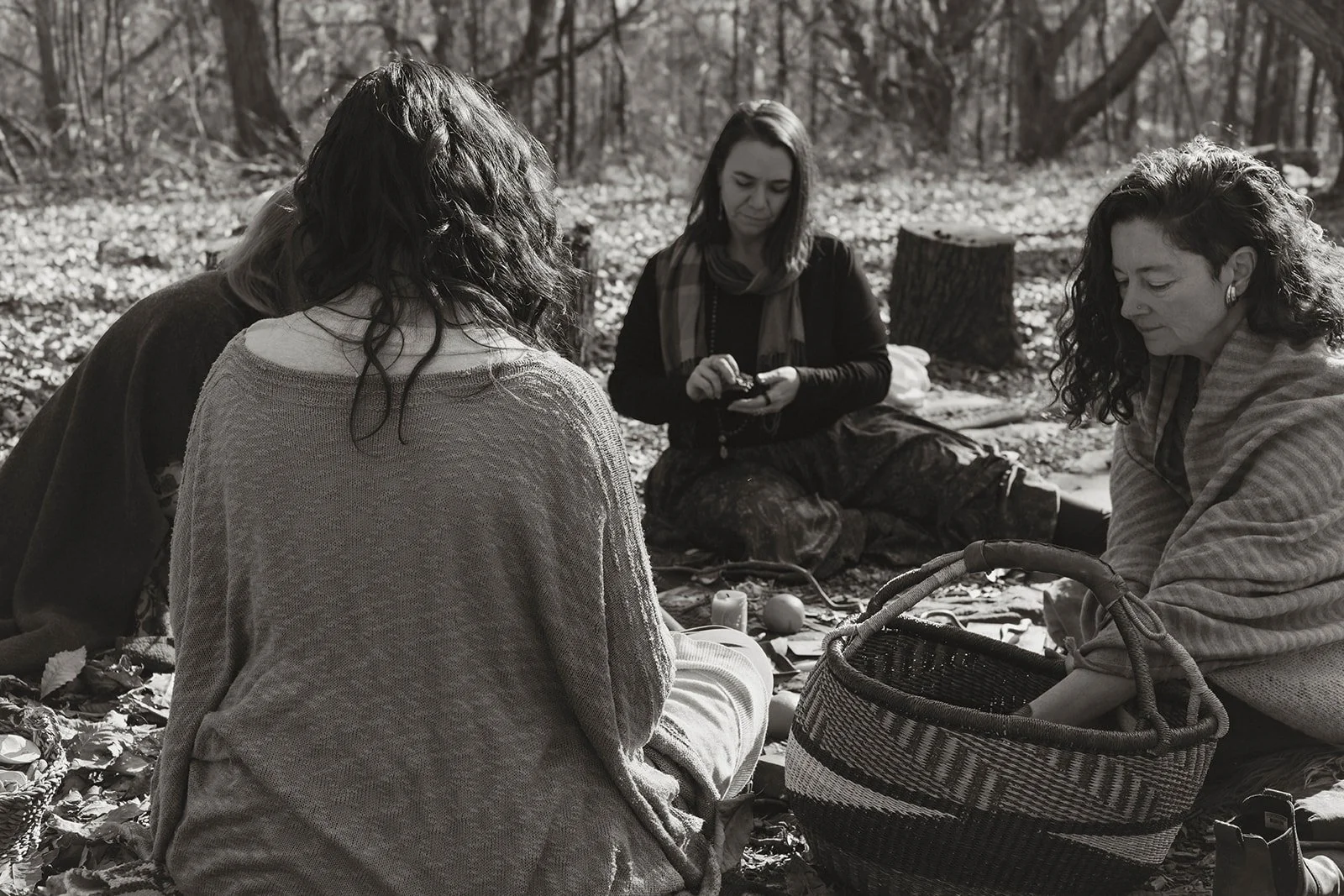
There is a moment in deep psychedelic somatic process where the client finds themself at an edge that cannot be crossed alone, and they turn toward the relational field (the connection with the facilitator) with old stories of abandonment and hopes for something different.
What the facilitator does at this moment is crucial…
I was trained in other models to resource through the nightmare or even pendulate out of it - ground the client, orient them to the room, to safety, to the present tense. Remind the system, gently and skillfully that it is not, in fact, where it believes itself to be. Resourcing works to stabilize, to regulate. It brings the window back to tolerance.
The problem is that regulation is the mechanism already running the show. In PSIP, we make a distinction that sounds subtle but changes everything in practice - resource and relational solution are not two versions of the same helpful thing. They produce opposite outcomes in the autonomic field. Both of them useful.
A resource is a top-down regulatory input. It re-engages cortical oversight - the same cortical oversight that has been maintaining inhibition over the unfinished material for years, maybe decades. When we resource a client at the edge of their deepest autonomic activation, we are - with the best of intentions - reinforcing the very system that keeps the wound managed. We are helping the management strategy do its job more efficiently. This has its place in a system that doesn’t have management strategies installed, a system that isn’t stable.
Relational solution is something else entirely.
The relational solution is the movement that needed to happen back then and couldn’t - the protest, the reach, the collapse into contact. It is not something the facilitator invents or provides - it already exists in implicit memory as the thing the system has been organized around not completing. It lives in procedural time - present tense in the body, waiting for completion.
The facilitator’s task is to make themselves available as the relational object that the system can finally move toward and complete, or in some instances, move away from. This requires staying with the activation rather than resolving it, meeting the system in its reality rather than correcting its perception.
This is where Selective Inhibition, PSIP’s core mechanism, does its work. We are not adding a new input, we are inhibiting the inhibitor. We are reducing the management strategy’s grip so that the autonomic system can do what it has always been trying to do, on its own terms, from the bottom up.
The solution was always already there. The resource, however well-intended, sits on top of it.
I want to make this concrete, because the distinction collapses fast in the abstract.
I was in session with my facilitator. She was online - a screen between us, a disembodied voice floating out in the void - the particular distance that zoom imposes. I had moved into a layer of despair and helplessness - a body-level conviction that I was stuck and could not move - trapped and alone with no one coming.
The resource, in that moment, would have been obvious. She could have helped me orient to reality. You are not actually stuck. You are in your home. I am right here. You have done this before and you came through. All of it true. All of it regulating. All of it landing in the cortex, recruiting the same top-down machinery that was already working overtime to keep this particular despair from ever fully surfacing.
What she said instead: I can’t save you. I’m on a screen. But I see how stuck you are, and it really impacts me.
She did not rescue or reframe. She did not orient me to safety. Just - I see it, and it lands in me.
That is relational solution.
She didn’t fix anything. She didn’t pull me out. My system had organized itself around no one sees, no one is affected, the despair is mine alone. The solution was being seen in the stuck place by someone who let it matter.
In that moment, I felt, from the bottom up, that I did not need rescuing - I needed to feel my impact.
The facilitator didn’t provide the solution, she made herself available to the reality of my dilemma and cared. And she did it by joining the reality of the situation - I was stuck, she was on a screen, the limitation was real - by meeting the moment inside that reality and caring about my dilemma.
This is the thing that gets lost in translation when we train facilitators. The instinct to help is the instinct to resource, to stabilize, to bring the client back to a window where they can think clearly and feel safe. And in most therapeutic contexts, that instinct is correct.
But in PSIP process, the deepest autonomic material only surfaces when the management strategy - the top-down regulation that resourcing reinforces - is selectively reduced. If we resource at the moment of emergence, we send the system a familiar signal that this is too much, let’s manage it - and the material recedes, the inhibitor doubles down, the loop continues and the despair continues to languish alone.
Relational solution asks the facilitator to stay present to the client’s reality without correcting it, offering contact without rescue, and trusting that the system already knows what it needs to complete - if we can get out of its way long enough to let it move.
The resource is the thing we add. The relational solution is what unfolds in the relational field that lays down the neural platform that we are no longer alone in the nightmare. It’s the “not alone” part that changes everything.
Photo by Amanda Robinson